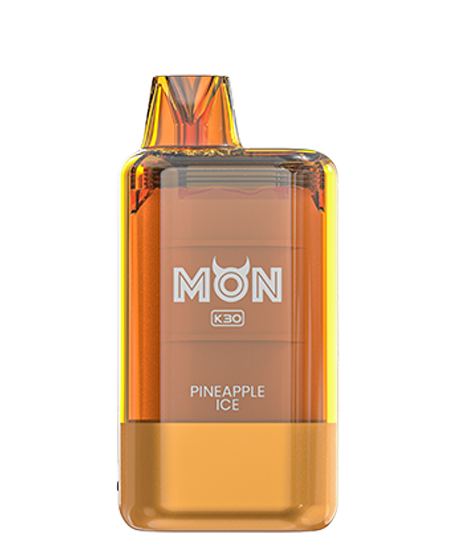
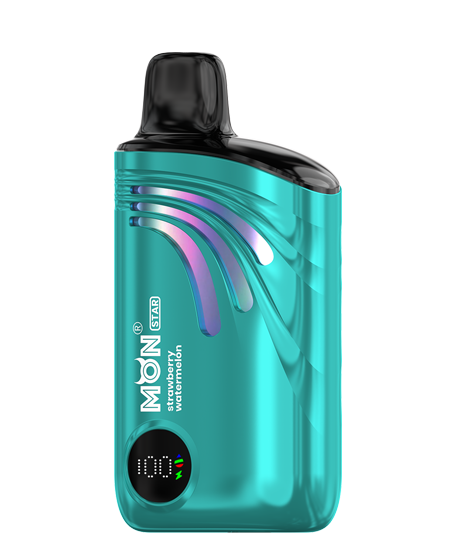
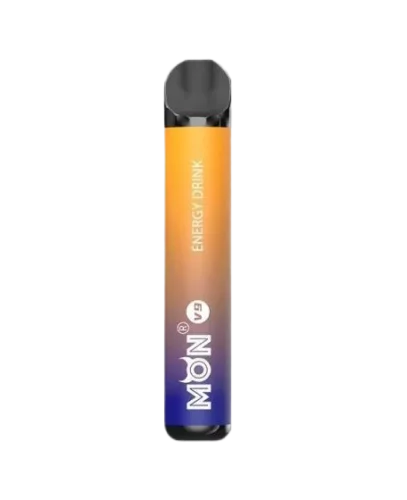
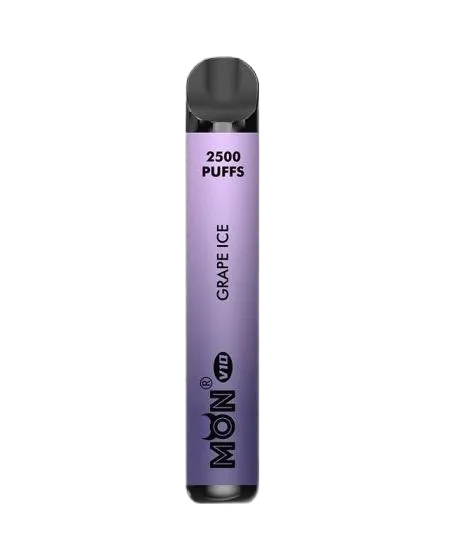
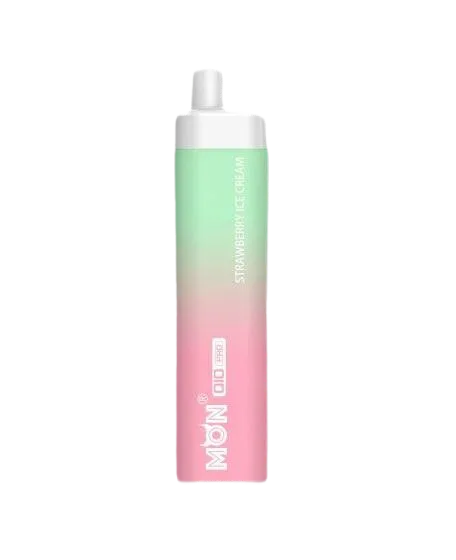
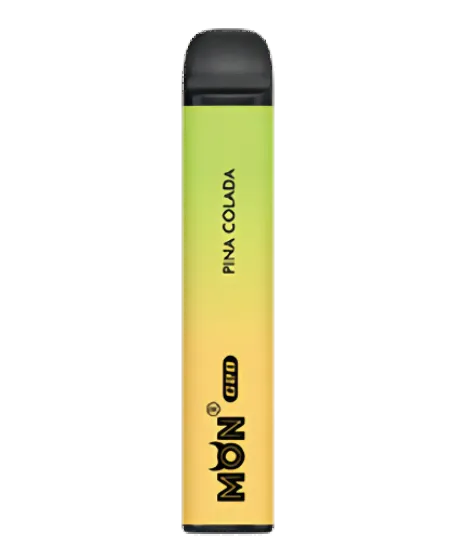


The U.S. vape market has entered a new regulatory phase. In May 2026, the Food and Drug Administration released updated guidance on how it intends to prioritize enforcement against certain electronic nicotine delivery systems, commonly known as ENDS, and nicotine pouch products that are marketed without premarket authorization.
For vape retailers, distributors, manufacturers, and adult consumers, the key point is simple: the FDA did not legalize unauthorized vapes. Instead, it created a more selective enforcement framework. Some products with serious PMTA applications under scientific review may face lower enforcement priority, while products with no meaningful regulatory pathway, youth-appealing designs, counterfeit features, or major safety concerns remain high-risk targets.
This article explains what changed, what did not change, and how responsible vape businesses should think about compliance, product design, and supply chain strategy in 2026.
Quick Answer: Did the FDA Make More Vapes Legal in 2026?
No. The FDA’s 2026 enforcement guidance does not turn unauthorized vape products into legally authorized products. FDA guidance documents generally describe the agency’s current thinking and do not create legally enforceable rights or responsibilities. The FDA still states that new tobacco products need premarket authorization before they can be legally marketed in the United States.
What changed is enforcement priority. According to the FDA, the agency may not prioritize enforcement against certain ENDS and nicotine pouch products if they have pending applications that have been accepted and filed, or qualifying supplemental PMTAs, and if the application contains the type of data needed for scientific review.
That distinction matters. “Lower enforcement priority” is not the same as “FDA authorized.”
Why the 2026 FDA Vape Enforcement Policy Matters
For years, the U.S. vape market has been divided between a small number of FDA-authorized products and a much larger universe of unauthorized products still appearing on shelves. The FDA’s 2026 guidance attempts to separate companies that are engaged in the regulatory review process from products that appear to operate completely outside it.
The FDA says it will continue focusing on illegal imports, counterfeit products, misdeclared goods, and products that fail basic premarket authorization requirements. It also says it will work with federal partners such as the Department of Justice and Customs and Border Protection to seize and destroy illegal products at U.S. borders.
For B2B vape companies, the message is clear: documentation, product safety, packaging discipline, and responsible marketing are no longer optional brand values. They are becoming core business requirements.
What Products May Receive Lower Enforcement Priority?
Based on the FDA’s guidance, a product may fall into a lower-priority enforcement category only under specific conditions. The product must generally be connected to a pending application that has been accepted and filed, or a pending and accepted supplemental PMTA. For non-tobacco flavored ENDS products, the FDA also refers to whether the application includes data needed to evaluate whether the product is appropriate for the protection of public health.
In practical terms, this means a brand cannot simply claim that it is “under review” and assume the risk is gone. The FDA’s language points to application status, filing status, and the substance of the data package.
A responsible vape brand should therefore be able to answer basic questions such as:
Is there a valid regulatory filing?
Has the application been accepted and filed?
Does the product have supporting data on ingredients, device performance, emissions, safety, and intended adult use?
Does the packaging avoid youth-appealing elements?
Is the supply chain traceable?
Are marketing materials restricted to adults?
These are not just legal questions. They are also trust questions for retailers and distributors.
What Products Remain High-Risk?
The FDA specifically highlights several factors that can keep a product in a higher-risk enforcement category. These include products with underage-appealing elements, such as cartoon-like characters, packaging that disguises the product as something else, or designs that resemble toys, phones, or gaming platforms.
The FDA also says it may consider whether a product presents a significant public health or safety concern, including high nicotine content, serious or unexpected adverse experiences, lack of child-resistant packaging, or fire hazards.
For vape retailers, this means the riskiest products are not only those without authorization. The risk is even higher when a product combines no clear regulatory pathway with youth-oriented design, unclear manufacturing origin, weak packaging controls, or poor device safety.
FDA-Authorized Vapes vs. Enforcement Discretion
The difference between authorization and enforcement discretion is one of the most important points in the 2026 discussion.
FDA-authorized products have received marketing granted orders and may be lawfully sold in the United States, subject to their specific authorization conditions. As of the FDA’s May 2026 authorized ENDS list, there are 45 authorized e-cigarette products, and the FDA says these are the only e-cigarettes that may currently be lawfully sold in the United States.
Products under lower enforcement priority are different. They may still be unauthorized. The FDA may simply decide not to make them an immediate enforcement target while a qualifying application remains under review.
For retailers, distributors, and importers, that difference should guide inventory decisions. FDA authorization is stronger than enforcement discretion. Enforcement discretion is conditional, changeable, and not a permanent guarantee.
The Glas Decision and the New Age-Gating Signal
The FDA’s May 2026 authorization of four Glas ENDS products attracted attention because it included non-tobacco flavored products and emphasized age-gating technology. FDA stated that the authorization applied only to those four specific products and not to any other Glas products. The agency also said the products were for adults aged 21 and older and that youth should never use tobacco products.
The broader market signal is important: adult-oriented access control, responsible marketing, and youth-risk mitigation are becoming central to how regulators evaluate vape products.
This does not mean every flavored vape now has a path to authorization. It means that future regulatory arguments will likely need stronger evidence around adult switching, youth prevention, device access restriction, marketing control, and post-market monitoring.
What Retailers Should Do in 2026
Retailers should avoid treating the 2026 guidance as permission to stock anything that sells quickly. A safer approach is to build an inventory review process around four questions.
First, is the product FDA-authorized or listed by FDA as lower enforcement priority once the public list becomes available?
Second, does the product avoid obvious youth appeal, including cartoon graphics, toy-like shapes, candy-style branding, or packaging that resembles everyday consumer goods?
Third, can the supplier provide documentation on manufacturing, ingredients, battery safety, nicotine concentration, packaging, and product traceability?
Fourth, does the product comply with state-level requirements? Federal enforcement discretion does not override state laws, state PMTA directories, flavor restrictions, or retail licensing rules.
For retailers, the new competitive advantage is not just having popular flavors. It is having reliable, adult-focused, traceable products from suppliers that understand compliance pressure.
What Vape Manufacturers Should Learn From the 2026 Policy
For manufacturers, the FDA’s updated enforcement direction reinforces a long-term industry trend: the market is moving away from low-cost, undocumented, high-risk products and toward more accountable product systems.
That means manufacturers should invest in:
Adult-oriented product design.
Clear nicotine labeling.
Child-resistant packaging where required.
Battery safety testing.
Consistent quality control.
Traceable production batches.
Avoidance of cartoon or toy-like visuals.
Responsible B2B documentation.
Age-restricted marketing.
Retailer education.
Brands that cannot provide basic documentation may still find short-term buyers, but they will become harder for serious distributors to defend.
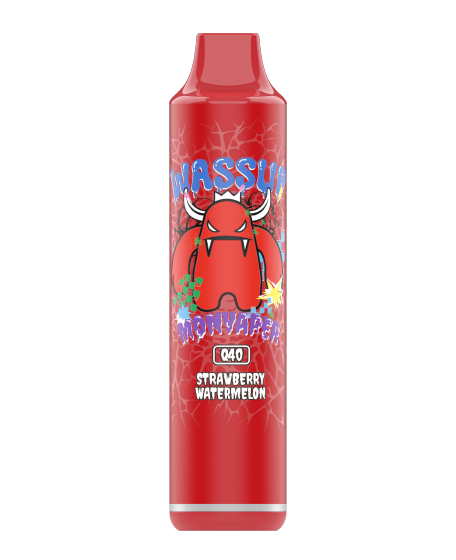
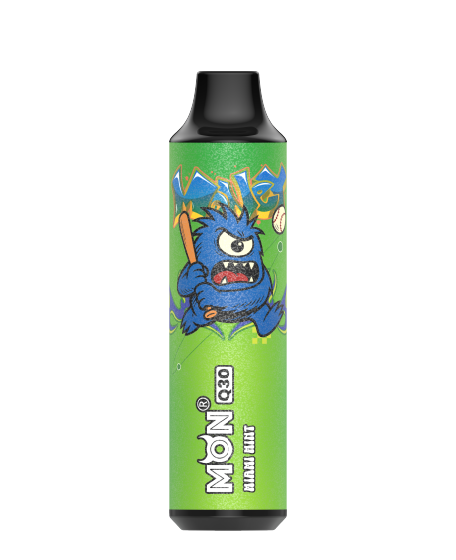
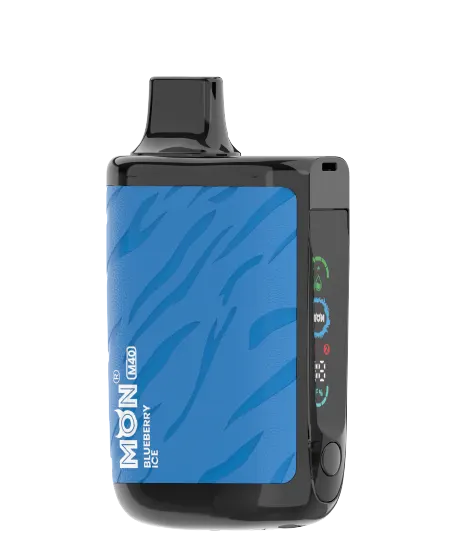
Where Monvaper Fits Into a More Compliance-Driven Vape Market
For international vape distributors and wholesale partners, the 2026 FDA conversation offers a useful lesson even outside the United States: the future of the vape industry belongs to brands that can combine product innovation with responsible market behavior.
Monvaper’s positioning should not be “cheap disposable vapes.” A stronger and more sustainable message is:
Monvaper provides adult-focused vape products for regulated markets, with stable supply, OEM/ODM support, quality-focused production, and B2B cooperation designed for wholesalers, distributors, and retail chains.
This positioning is important because global buyers are becoming more cautious. They do not only ask for price. They ask whether the product looks professional, whether the packaging is adult-oriented, whether the supplier can maintain stable inventory, whether the flavor quality is consistent, and whether the brand can support long-term cooperation.
For Monvaper, the strongest content angle is not to claim FDA authorization unless a product has it. The stronger angle is to show that the brand understands the direction of regulation: safer design, responsible branding, adult-only positioning, stable manufacturing, and professional B2B support.
Monvaper B2B Takeaway: What Serious Buyers Should Look For
If you are a vape distributor, wholesaler, or retail buyer in 2026, the right question is no longer only “Which product has the highest puff count?” The better question is “Which supplier can help me reduce risk while still giving adult customers a product they actually want?”
A serious vape supplier should offer:
Stable production capacity.
Consistent flavor performance.
Clear product specifications.
Reliable battery and coil performance.
Adult-oriented packaging.
No cartoon-like youth appeal.
Batch-level quality control.
Responsive after-sales support.
OEM/ODM flexibility.
Market-specific product recommendations.
This is where brands such as Monvaper can build stronger B2B trust. In a market shaped by enforcement uncertainty, buyers need suppliers who understand both product performance and responsible distribution.
What Adult Consumers Should Understand
Adult consumers should also understand the difference between a product being available and a product being authorized. A vape product appearing in a shop does not automatically mean the FDA has authorized it.
The FDA’s own authorized ENDS page states that authorized products are not “FDA approved,” and that no tobacco product is safe. The agency also emphasizes that people who do not currently use tobacco products should not start.
For adult nicotine users, the safest purchasing behavior is to buy from age-restricted, reputable retailers and avoid products with suspicious packaging, unclear nicotine labeling, counterfeit branding, or toy-like design.
Key Takeaways
The FDA’s 2026 vape enforcement policy is not a full legalization of unauthorized vapes.
Products with accepted and filed PMTAs may receive lower enforcement priority, but that does not equal authorization.
Products with no PMTA, youth-appealing design, counterfeit features, high safety risks, or poor documentation remain high-risk.
As of May 2026, the FDA listed 45 authorized e-cigarette products that may currently be lawfully sold in the United States.
Retailers should evaluate both federal and state-level requirements before making inventory decisions.
Manufacturers should invest in compliance-ready design, adult-only marketing, product traceability, and reliable documentation.
For Monvaper and similar international vape brands, the strongest long-term strategy is to position around adult-focused product quality, stable supply, OEM/ODM capability, and responsible B2B cooperation.
FAQ
Does the 2026 FDA guidance make unauthorized vapes legal?
No. The guidance explains FDA enforcement priorities. It does not authorize unauthorized products or make them legally marketed products.
Can retailers sell any vape with a pending PMTA?
No. A pending application alone is not a universal safe harbor. Retailers should check FDA updates, state laws, and supplier documentation before stocking products.
Are flavored vapes now easier to authorize?
The Glas authorization suggests that age-gating and youth prevention technology may become more important in future reviews. However, it does not mean all flavored products will be authorized.
What vape products are highest risk for enforcement?
Products with no clear PMTA pathway, youth-appealing packaging, counterfeit branding, high nicotine concerns, missing child-resistant packaging, or fire safety issues are higher-risk.
Is Monvaper FDA authorized?
This article does not claim that Monvaper products are FDA authorized. Monvaper’s recommended positioning is responsible B2B supply for adult markets where products are legally permitted, with emphasis on quality control, stable supply, OEM/ODM support, and adult-oriented product presentation.
Final Thought
The 2026 FDA vape enforcement policy is not the end of uncertainty. It is the beginning of a more selective enforcement environment. Brands that rely only on flashy packaging, inflated puff counts, or unclear supply chains will face more pressure. Brands that build around adult-focused design, quality control, documentation, and responsible distribution will be better positioned for the next stage of the global vape market.
For distributors and wholesalers, that is the real message: choose suppliers that can grow with regulation, not suppliers that only chase short-term volume.